9000 W. Thunderbird Rd. Suite #200 Peoria, AZ 85381

By Fox Family Dental | August 28, 2026
If you’ve ever heard the words “you may need a root canal,” you probably had one question immediately: Is it really necessary?
For many people, the thought of a root canal brings up concerns about pain, cost, recovery, and whether the tooth could simply be pulled instead. But when the soft tissue inside a tooth becomes badly inflamed or infected, delaying treatment can allow the problem to become more serious.
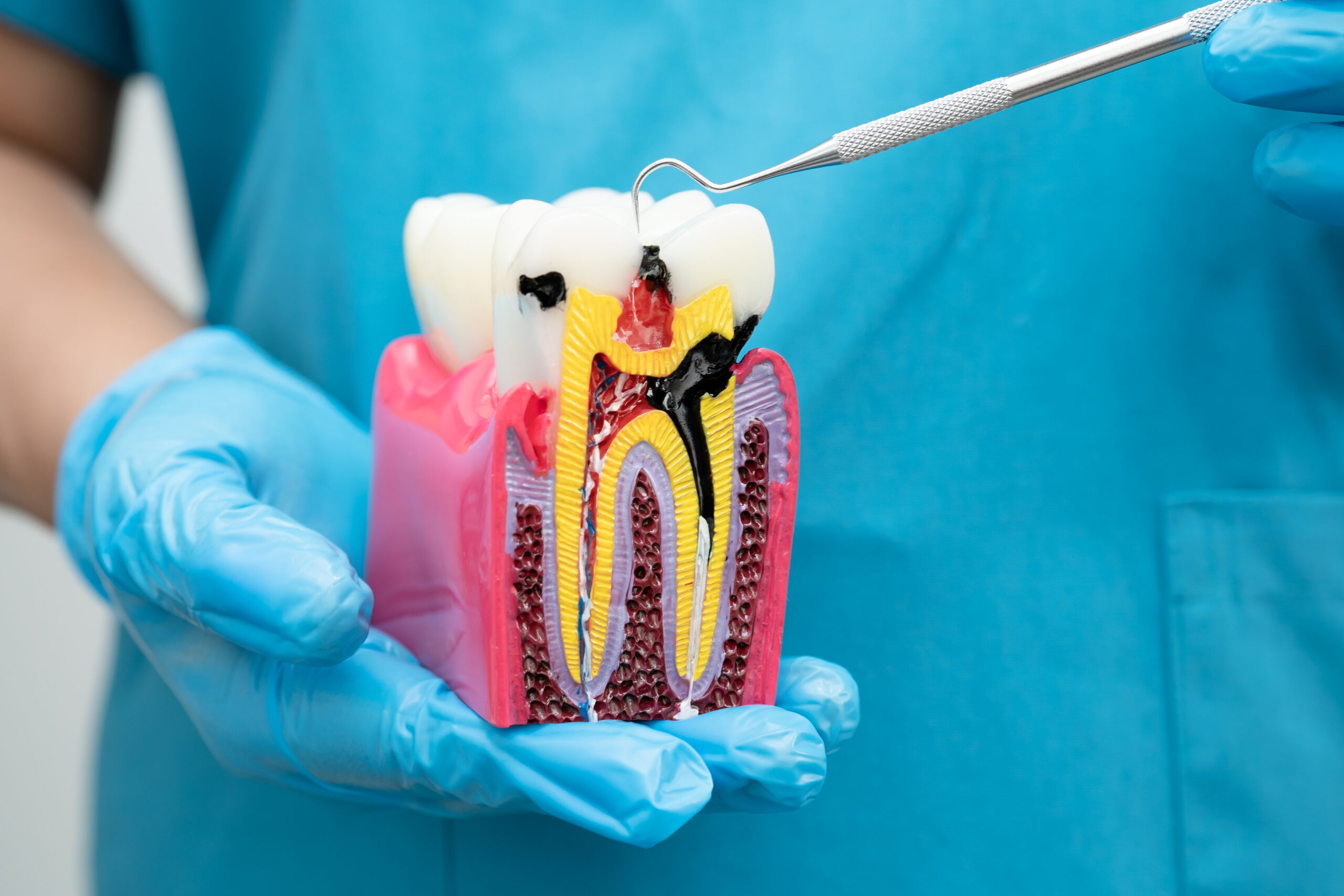
Root Canal Therapy is designed to remove infection from inside the tooth while preserving as much of your natural tooth as possible. According to the National Institute of Dental and Craniofacial Research (NIDCR), an infected tooth can develop from advanced decay and may lead to pain, swelling, and even tooth loss if left untreated.
So how do you know when it’s time to talk to your dentist?
Here are five signs you shouldn’t ignore.
1. Your Tooth Hurts When You Bite or Chew
A little sensitivity after eating something cold isn’t necessarily a reason to panic. But pain that consistently occurs when you bite down or chew deserves attention.
You may notice that one particular tooth hurts when eating, especially when you release your bite. This can sometimes be associated with inflammation or infection inside or around the tooth.
The cause isn’t always a root canal problem, which is why an examination and appropriate dental imaging are important before deciding on treatment.
If your dentist determines that the nerve inside the tooth is damaged or infected, Root Canal Therapy may be recommended to address the underlying problem.
2. Hot or Cold Sensitivity Lingers
Does your tooth hurt after drinking a hot coffee or enjoying an ice-cold drink?
Brief sensitivity can have several causes. However, if the discomfort is intense or continues for a while after the hot or cold food or drink is gone, it’s worth having the tooth checked.
Advanced tooth decay can reach the pulp—the living tissue containing nerves and blood vessels inside the tooth. At that point, the tooth may require treatment to remove the affected tissue and protect the remaining tooth structure.
Don’t automatically assume that every sensitive tooth needs a root canal. A dentist needs to determine what’s actually causing the sensitivity.
3. Your Tooth Is Causing Persistent or Severe Pain
A toothache that keeps coming back isn’t something you should simply learn to live with.
You might experience:
- A constant dull ache
- Sharp, throbbing pain
- Pain that gets worse at night
- Pain that radiates toward your jaw, ear, or nearby teeth
- Difficulty sleeping because of dental discomfort
These symptoms can have several causes, including decay, a cracked tooth, gum problems, or inflammation of the dental pulp.
When the pulp is irreversibly damaged or infected, Root Canal Therapy can remove the affected tissue and clean and seal the inside of the tooth.
4. Your Gum Is Swollen or You Notice a Pimple on the Gum
Have you noticed swelling near a painful tooth or a small bump that looks like a pimple on your gum?
Don’t ignore it.
An infection inside a tooth can sometimes create an abscess around the root. You may also experience tenderness, swelling, an unpleasant taste, or drainage.
The American Dental Association notes that dental infections often require dental treatment rather than simply relying on antibiotics. Depending on the diagnosis, treatment may include procedures such as nonsurgical root canal treatment or drainage.
That’s one reason it’s important not to self-diagnose a tooth infection or assume antibiotics alone will fix the problem.
5. Your Tooth Has Become Darker or Gray
A tooth that suddenly becomes noticeably darker than the teeth around it shouldn’t be ignored.
Discoloration can have several causes, including previous trauma or changes within the tooth. In some situations, it can indicate that the pulp has been damaged.
Your dentist can examine the tooth and determine whether the nerve and surrounding tissues are healthy.
If the internal tissue is no longer healthy and the tooth can be preserved, Root Canal Therapy may be one treatment option.
Root Canal or Tooth Extraction: Which Is Better?
If you’re told that a tooth needs extensive treatment, you may wonder why your dentist doesn’t simply remove it.
Whenever a natural tooth can be predictably restored, preserving it may offer important advantages for chewing, appearance, and maintaining the existing arrangement of your teeth.
However, not every tooth can or should be saved. Your dentist will consider the amount of remaining tooth structure, the extent of infection or damage, the condition of the surrounding tissues, and the tooth’s overall restorability.
| Situation | Possible Approach |
|---|---|
| Mild decay | Filling or restorative treatment |
| Deep decay affecting the pulp | Root canal treatment may be recommended |
| Damaged but restorable tooth | Root canal followed by restoration |
| Tooth cannot be predictably restored | Extraction may be considered |
| Missing tooth after extraction | Bridge, denture, or implant options may be discussed |
The right choice depends on your individual examination—not simply how much pain you’re experiencing.
Does Root Canal Therapy Hurt?
This is probably the biggest question patients ask.
Modern dental techniques and local anesthesia are designed to make treatment comfortable. The procedure itself is intended to remove the source of the pain rather than create it.
After treatment, it’s normal for some patients to experience temporary tenderness as the area settles. Your dentist will explain what to expect and how to care for your tooth afterward.
At Fox Family Dental, comfort and communication are central to the patient experience. The practice describes its approach as relationship-focused, with an emphasis on explaining treatment options and helping patients feel comfortable rather than rushed.
What Happens During Root Canal Therapy?
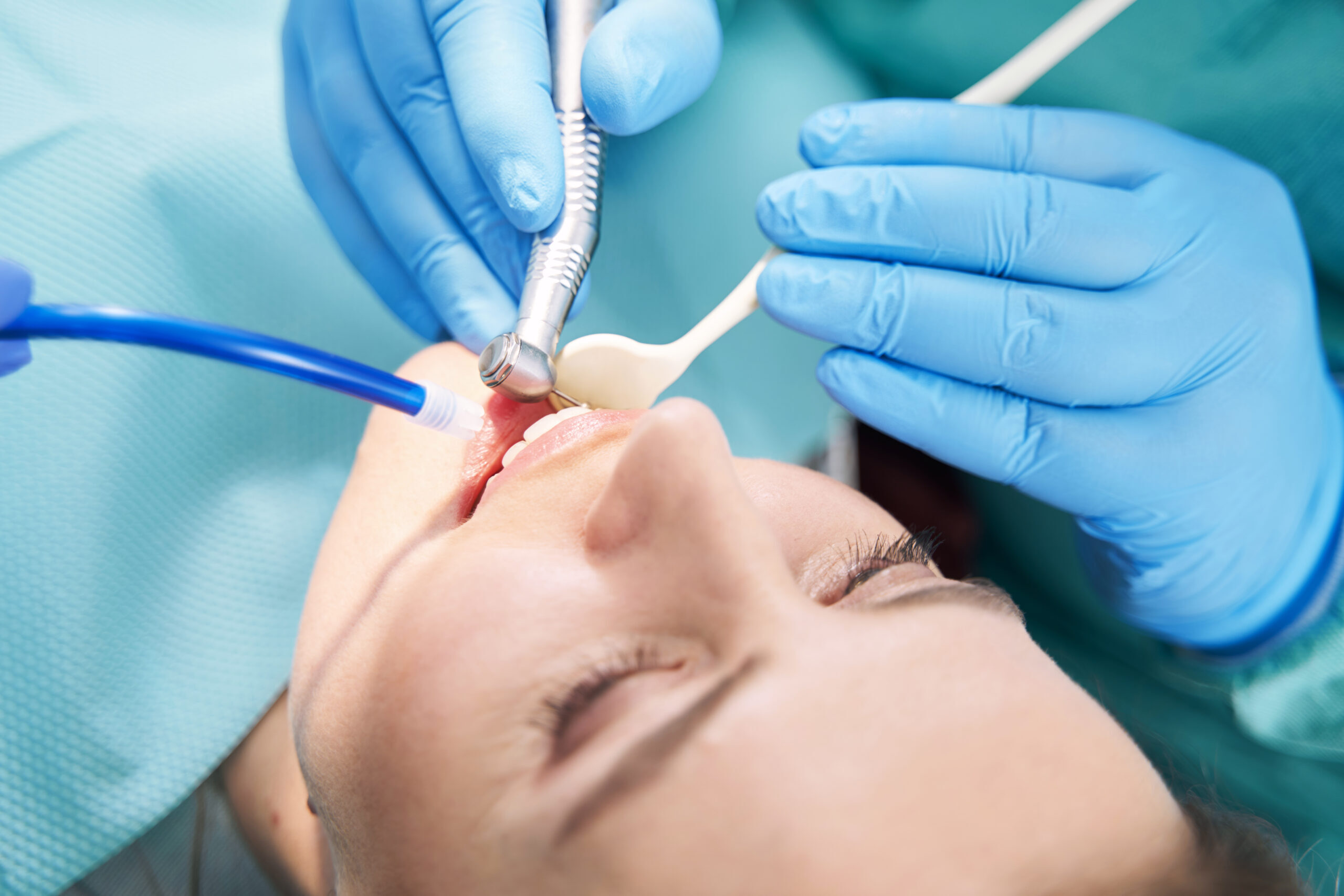
While every case is different, treatment generally involves:
- Examining the tooth and identifying the source of the problem.
- Numbing the area.
- Accessing the infected or damaged pulp.
- Cleaning and disinfecting the inside of the tooth.
- Filling and sealing the treated space.
- Restoring the tooth so it can function normally again.
The goal is straightforward: remove the infection or damaged pulp, preserve the natural tooth when possible, and restore its function.
Looking for Root Canal Therapy in Peoria?
If you’re searching for root canal therapy peoria, choosing a dentist who takes time to explain your options can make the experience much less stressful.
Fox Family Dental serves patients in Peoria and the surrounding communities from its office at 9000 W. Thunderbird Rd., Suite #200, Peoria, AZ 85381, or call: +1 480-493-0285. The practice provides restorative dentistry, including Root Canal Therapy, with a patient-focused approach.
If you’re experiencing significant tooth pain, swelling, or another urgent dental concern, contact the office to discuss your symptoms and appointment options.
Meet Dr. Alex Behnam
Dr. Alex Behnam is one of the dentists at Fox Family Dental in Peoria. He earned his DMD from A.T. Still University’s Arizona School of Dentistry & Oral Health and also completed a Certificate in Public Health Dentistry. He was inducted into the Omicron Kappa Upsilon honor society and is an active member of the American Dental Association and Academy of General Dentistry.
Dr. Behnam takes a relationship-first approach to dentistry, emphasizing clear communication and personalized care. That can be especially valuable when you’re nervous about a treatment such as Root Canal Therapy.
When Should You Call a Dentist?
Don’t wait for dental pain to become unbearable.
Contact your dentist if you have:
- Persistent tooth pain
- Pain when biting or chewing
- Lingering hot or cold sensitivity
- Facial or gum swelling
- A bump or drainage near a tooth
- A tooth that has become unusually dark
- A previously injured tooth that has started hurting
Root Canal Therapy isn’t automatically the answer to every toothache, but these symptoms deserve a professional evaluation.
The sooner the cause is identified, the more informed your treatment choices can be.
Frequently Asked Questions
1. How do I know if I really need a root canal?
Persistent tooth pain, lingering sensitivity, pain when biting, swelling, or changes in tooth color can be warning signs. However, only a dental examination can determine whether Root Canal Therapy is appropriate.
2. Can a tooth infection go away on its own?
A dental infection should not be assumed to resolve on its own. Untreated tooth decay can progress to infection, pain, swelling, and potentially tooth loss.
3. Can antibiotics replace a root canal?
Usually, antibiotics are not a substitute for treating the source of a dental infection. The ADA recommends prioritizing appropriate dental treatment for many pulpal and periapical conditions; antibiotics may be appropriate when there are signs of systemic involvement such as fever or malaise.
4. Is it better to save a natural tooth?
When a tooth is healthy enough to be predictably restored, preserving the natural tooth may be preferable to extraction. Your dentist can explain whether Root Canal Therapy is a suitable option based on the condition of your tooth.
5. How quickly should I get treatment for severe tooth pain?
Don’t ignore severe or persistent dental pain. Contact your dentist promptly, particularly if pain is accompanied by swelling, fever, drainage, or difficulty swallowing or breathing. Emergency symptoms involving difficulty breathing or swallowing require immediate medical attention.