9000 W. Thunderbird Rd. Suite #200 Peoria, AZ 85381

By Fox Family Dental | October 28, 2026
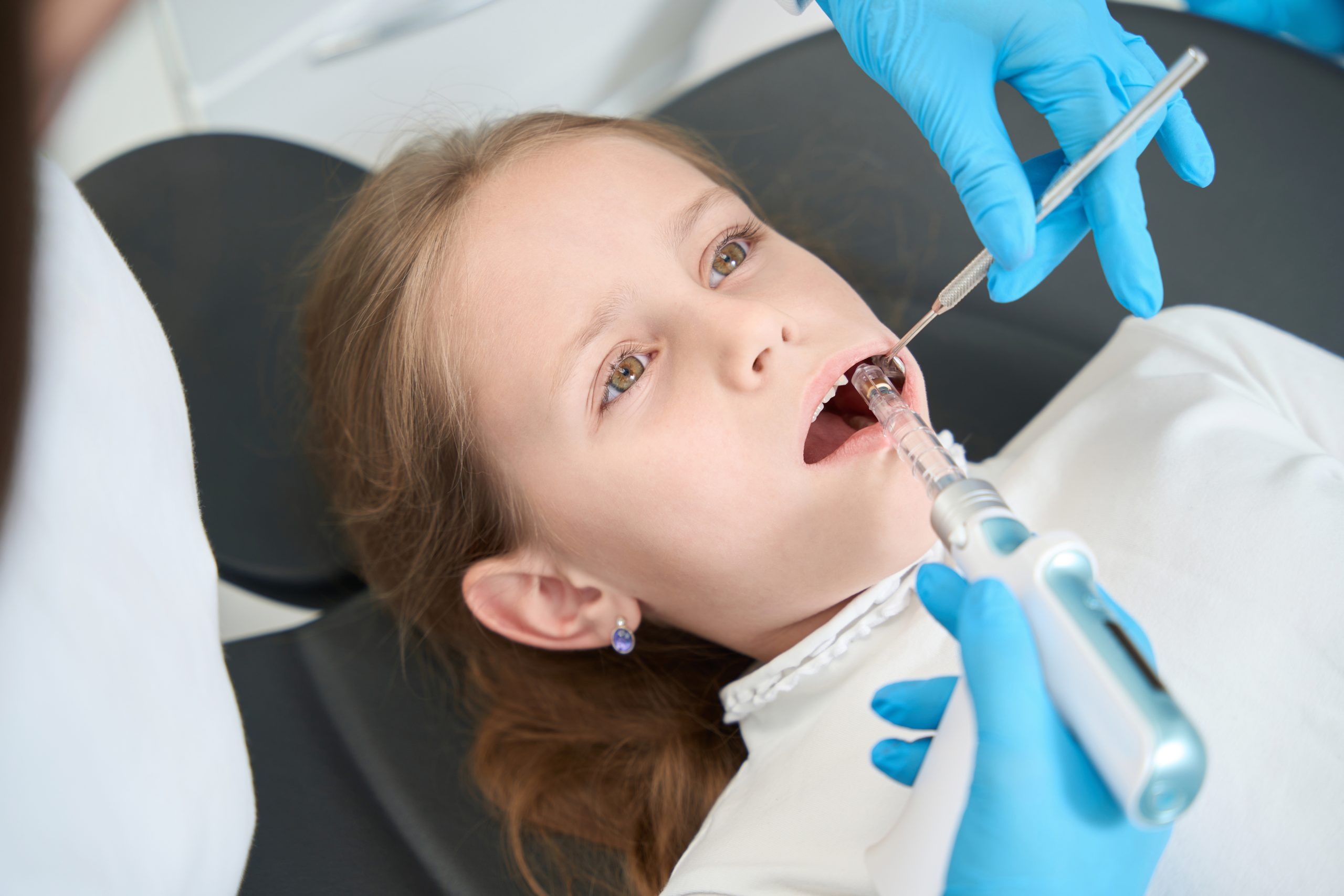
A trip to the dentist can feel like a big adventure for some children, but for others, it can bring tears, nervous questions, or a firm “I don’t want to go!” If your child gets anxious at the thought of sitting in a dental chair, you’re not alone. Many parents face this challenge, especially when their little ones are visiting the dentist for the first time.
The good news? With patience, preparation, and the right dental team, children can gradually feel more comfortable during appointments. Kid-friendly dentistry focuses on helping young patients feel safe, understood, and supported while building healthy habits that can last a lifetime.
At Fox Family Dental, we understand that every child has different needs. Whether you’re preparing for your child’s first checkup or helping them overcome a previous unpleasant experience, a gentle, reassuring approach can make dental visits easier for the entire family.
Why Are Some Children Afraid of the Dentist?
Children may feel anxious about dental visits for several reasons. Understanding the cause can help parents respond with patience rather than frustration.
Common reasons include:
- Fear of the unknown: New surroundings, unfamiliar equipment, and new faces can feel overwhelming.
- Previous uncomfortable experiences: A difficult medical or dental appointment may make a child nervous about returning.
- Fear of pain: Children may worry that dental treatment will hurt, even before anything begins.
- Sensory sensitivity: Bright lights, unfamiliar sounds, and having someone work inside their mouth can feel uncomfortable.
- Anxiety picked up from others: Hearing frightening dental stories or noticing a parent’s nervousness may influence a child’s expectations.
The goal of kid-friendly dentistry is to recognize these concerns and help children feel more confident at their own pace.
7 Ways to Make Dental Visits Easier for Your Child
1. Talk About the Visit in a Positive Way
Explain what will happen using simple, reassuring words. Tell your child that the dentist will count their teeth, check their smile, and help keep their mouth healthy.
Avoid words such as “shot,” “drill,” or “hurt” when describing an appointment unnecessarily. If your child asks a difficult question, answer honestly without creating extra fear.
2. Schedule the Appointment at the Right Time
Choose a time when your child is usually rested, fed, and in a good mood. An appointment close to nap time or when your child is hungry may make it harder for them to manage unfamiliar experiences.
If possible, avoid rushing to the office. A calm arrival gives your child time to settle in.
3. Play Dentist at Home
Turn preparation into a fun game. Take turns pretending to be the dentist and the patient. Count your child’s teeth with a toothbrush or let them examine a favorite stuffed animal’s smile.
This simple activity introduces the idea of a dental checkup in a familiar setting.
4. Read a Story or Watch an Age-Appropriate Video
Children often feel more comfortable when they know what to expect. Choose a children’s book or educational video that shows a friendly dental visit.
Explain that every child is different and that it’s okay to ask questions or tell the dental team when they feel nervous.
5. Bring a Comfort Item
A favorite stuffed toy, small blanket, or familiar object may help your child feel secure during the appointment. Ask the dental office in advance whether your child can bring it into the treatment room.
Small comforts can make a new environment feel less intimidating.
6. Praise Effort, Not Just Cooperation
Celebrate small achievements, such as entering the office, sitting in the dental chair, or opening their mouth for an examination.
Avoid criticizing your child for crying or feeling scared. Encouragement helps children understand that they can face unfamiliar situations with support.
7. Choose a Dental Team That Understands Children
A welcoming environment, clear explanations, and a patient approach can make a meaningful difference. Kid-friendly dentistry should take a child’s age, comfort level, and individual concerns into account rather than expecting every child to respond the same way.
Ask the dental team how they introduce children to dental instruments, explain procedures, and support anxious patients.
What Makes Kid-Friendly Dentistry Different?
A child-focused dental experience is about more than making the office look cheerful. It involves communication, prevention, and adapting care to the child’s developmental stage.
| Approach | How It Helps Children |
|---|---|
| Simple explanations | Makes unfamiliar procedures easier to understand |
| A gentle, patient approach | Gives children time to adjust |
| Positive reinforcement | Builds confidence through encouragement |
| Age-appropriate education | Helps children learn healthy dental habits |
| Regular preventive visits | Helps children become familiar with dental care |
| Parent involvement | Provides reassurance and support |
The purpose of kid-friendly dentistry is to help children develop a positive relationship with oral health care, not simply to get through one appointment.
When Should Your Child First Visit the Dentist?
The American Academy of Pediatric Dentistry recommends establishing a dental home by the child’s first birthday, or within six months after the first tooth appears.
Early visits help the dentist monitor tooth development, discuss brushing and fluoride, offer guidance on diet, and identify potential concerns before they become more complicated.
Regular visits also give children opportunities to become familiar with the dental office while their teeth and jaws are developing.
When Should Parents Be Concerned About Dental Anxiety?
Some nervousness is normal, particularly during the first few visits. However, consider discussing your child’s anxiety with the dental team if your child:
- Becomes extremely distressed before every appointment.
- Refuses to enter the dental office.
- Has difficulty recovering after a previous dental experience.
- Avoids necessary care because of fear.
- Reports tooth pain but is too frightened to be examined.
A supportive dentist can discuss strategies to help your child feel more comfortable. For some children, this may mean starting with a brief introductory visit before moving on to a full examination.
If your child has severe tooth pain, facial swelling, fever with dental symptoms, or an injury to the mouth, contact a dentist promptly rather than delaying necessary care because of anxiety. Difficulty breathing or swallowing, or rapidly spreading facial or neck swelling, requires emergency medical attention.
Trusted Resources for Children’s Oral Health
Parents can find reliable information about children’s dental health through these U.S. organizations:
- American Academy of Pediatric Dentistry (AAPD): Guidance on children’s dental development, preventive care, and establishing a dental home.
- American Dental Association (ADA): Resources on brushing, fluoride, healthy habits, and dental visits.
- Centers for Disease Control and Prevention (CDC): Evidence-based information about cavities and oral health.
- National Institute of Dental and Craniofacial Research (NIDCR): Research-based information on tooth decay and oral health conditions.
These resources can help parents make informed decisions and discuss their child’s needs with a dental professional.
Meet Dr. Alex Behnam at Fox Family Dental
At Fox Family Dental, Dr. Alex Behnam is committed to providing personalized dental care in a welcoming, patient-focused environment. The practice emphasizes preventive care, clear communication, and helping families understand their treatment options.
For parents seeking kid-friendly dentistry, discussing your child’s concerns with the dental team before the appointment can help everyone prepare for a more comfortable experience.
To learn more or schedule an appointment, contact Fox Family Dental at +1 480-493-0285. The team can help you discuss your child’s dental needs and the options available to support a positive visit.
Frequently Asked Questions
1. How can I help my child stop being afraid of the dentist?
Start by explaining the visit positively, practicing at home, bringing a comfort item, and praising small steps. Let the dental team know about your child’s fears so they can adapt their approach.
2. At what age should a child visit the dentist for the first time?
A child should visit the dentist by their first birthday or within six months of their first tooth appearing, according to the American Academy of Pediatric Dentistry.
3. Should I force my child to sit through a dental appointment?
Avoid punishment or threats. Speak with the dental team about your child’s anxiety and whether a gradual introduction, shorter introductory visit, or other supportive approach would be appropriate.
4. What should I look for in a kid-friendly dentist?
Look for a team that communicates clearly, listens to your child’s concerns, encourages questions, explains procedures in age-appropriate language, and takes time to build trust.
5. How often should children visit the dentist?
Many children benefit from checkups every six months, but the ideal schedule depends on their individual oral health needs and cavity risk. Your child’s dentist can recommend an appropriate interval.
Give Your Child a More Comfortable Dental Experience
Dental anxiety doesn’t have to become a lifelong barrier to oral health. With preparation, encouragement, and a caring dental team, children can learn that dental visits are a normal part of staying healthy.
Kid-friendly dentistry helps make those early experiences more positive, giving children the confidence to care for their smiles as they grow.
Contact Fox Family Dental at +1 480-493-0285 to discuss your child’s dental needs and schedule a visit.