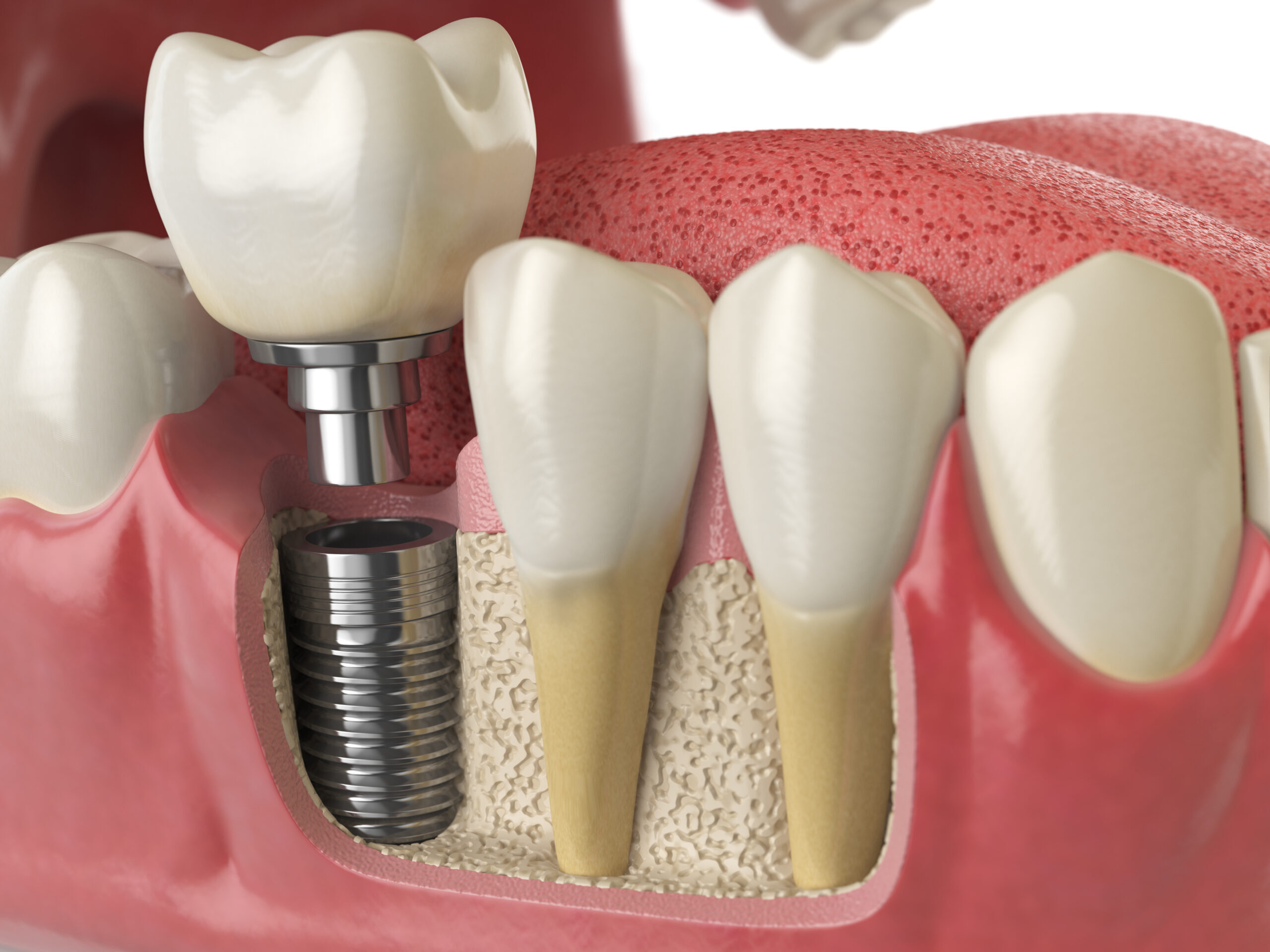
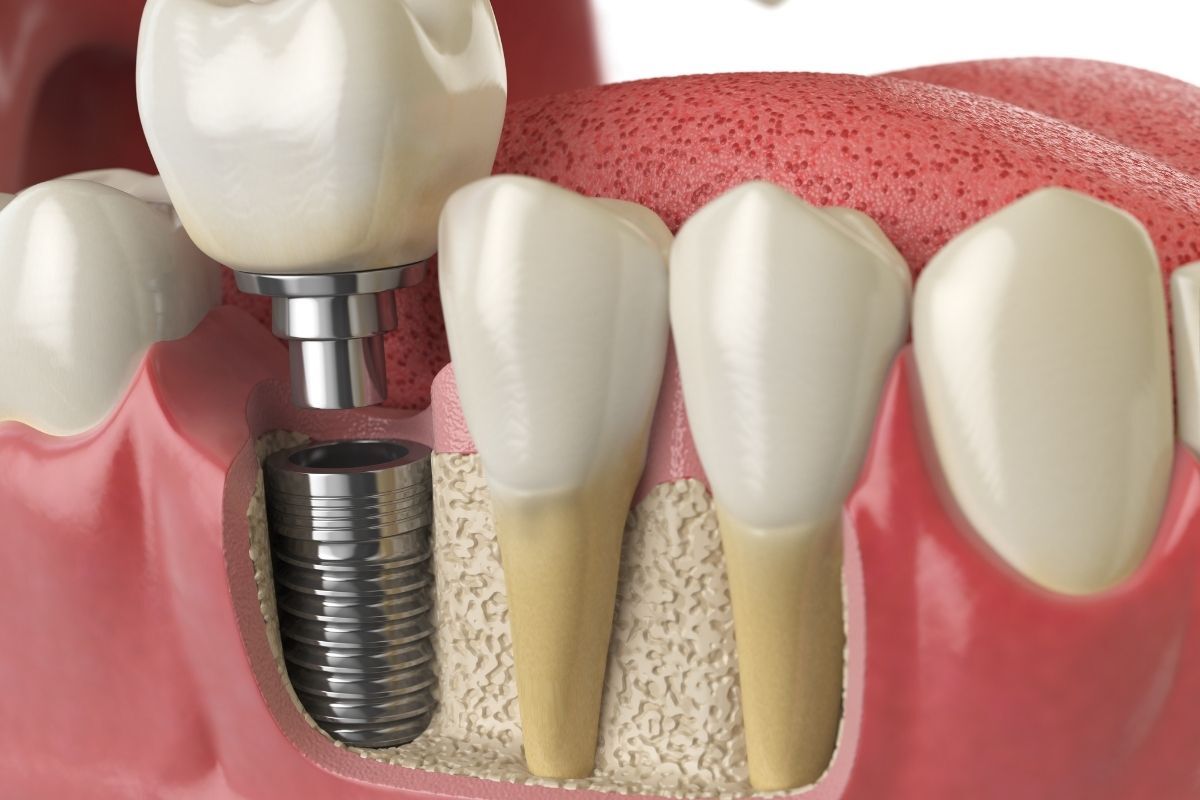
9000 W. Thunderbird Rd. Suite #200 Peoria, AZ 85381

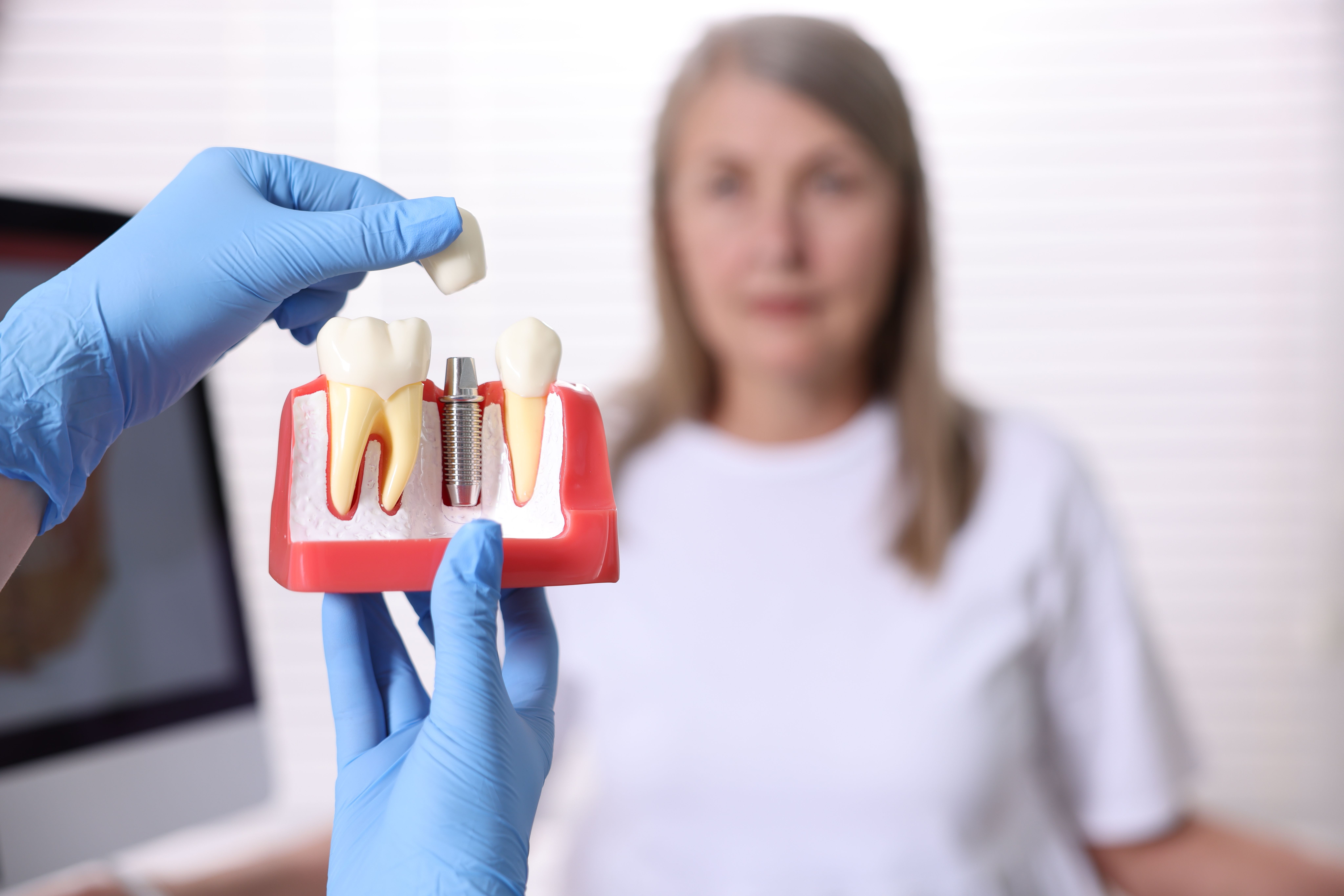
By Fox Family Dental | October 14, 2026
Losing a tooth can affect more than your smile. It can make chewing uncomfortable, change how you feel about your appearance, and leave you wondering what to do next. Dental implants offer a long-term option for replacing missing teeth, but the thought of oral surgery can make some people nervous.
If you have dental implant anxiety, you’re not alone. You might be worried about pain, recovery time, cost, or whether the procedure will actually work. These are reasonable questions to ask before making a decision.
At Fox Family Dental, we believe patients should understand their options before starting treatment. If you’re considering dental implants in Peoria, AZ, here are six important things to know before taking the next step.
1. Dental Implant Surgery May Be More Comfortable Than You Expect
One of the biggest concerns behind dental implant anxiety is pain during surgery. The good news is that dentists typically use local anesthesia to numb the treatment area, helping you remain comfortable during the procedure.
You may feel pressure or movement, but you should not feel sharp pain during treatment. After the anesthesia wears off, some soreness, swelling, or tenderness is common. Your dentist can recommend appropriate pain management and aftercare instructions based on your health and treatment needs.
Every patient is different, so ask your dentist what you can realistically expect before, during, and after surgery.
2. You May Not Be a Candidate Right Away—and That’s Okay
Dental implants are not suitable for everyone without additional evaluation. Your dentist will examine your mouth, review your medical and dental history, and may take X-rays or 3D images to assess your jawbone and surrounding structures.
Several factors can affect your eligibility, including:
- The amount and quality of your jawbone
- The health of your gums
- Smoking or tobacco use
- Certain medical conditions or medications
- Your ability to maintain good oral hygiene
If you have been living with missing teeth for years, you may still qualify for implants. Some patients need preliminary treatment, such as gum disease management or bone grafting, before implant placement.
A personalized consultation can replace uncertainty with a clearer treatment plan.
3. Healing Takes Time, but the Results Can Last for Years
Another common concern associated with dental implant anxiety is the length of the treatment process. Unlike some tooth replacement options, dental implants usually require time for the implant to integrate with your jawbone.
Your treatment may involve several stages:
| Treatment Stage | What Happens |
|---|---|
| Initial consultation | Your dentist evaluates your oral health and discusses your options. |
| Implant placement | The implant is positioned in the jawbone. |
| Healing period | The bone gradually integrates with the implant. |
| Final restoration | A custom crown, bridge, or denture is attached when appropriate. |
The overall timeline varies. Some patients need only a few months, while others require additional procedures and a longer healing period.
With proper care, dental implants can last many years. However, the crown or other restoration may need repair or replacement over time. Regular dental checkups and good oral hygiene remain essential.
4. Dental Implants Have Risks, but Careful Planning Matters
It’s important to understand both the benefits and potential complications before choosing treatment. Possible risks include infection, injury to nearby structures, delayed healing, nerve-related symptoms, and implant failure.
Certain health conditions, uncontrolled gum disease, tobacco use, and poor oral hygiene can affect healing or long-term success.
If dental implant anxiety comes from worrying about complications, ask your dentist how your individual risks will be assessed and managed. A thorough examination, appropriate imaging, careful treatment planning, and follow-up care all play important roles.
Dental implants are not guaranteed to succeed in every case. Your dentist can help you compare the potential benefits and risks based on your specific circumstances.
5. Implants Aren’t Your Only Tooth Replacement Option
Dental implants can be an excellent choice, but they are not the only way to replace missing teeth. Depending on your oral health, budget, and preferences, a dental bridge or removable denture may also be appropriate.
| Tooth Replacement Option | Main Advantage | Important Consideration |
|---|---|---|
| Dental implant | Replaces the tooth root and supports a restoration | Requires surgery and adequate healing |
| Dental bridge | Can replace a missing tooth without implant surgery | Often requires support from neighboring teeth |
| Removable denture | May replace several missing teeth and can be removed for cleaning | May require adjustments for fit and comfort |
There is no single best solution for everyone. Your dentist can explain which options are suitable and how they compare in terms of maintenance, treatment time, appearance, and cost.
6. Knowing What to Ask Can Help You Feel More Confident
You don’t have to make a decision during your first appointment. Use your consultation to discuss your concerns and understand the process.
If dental implant anxiety is keeping you from scheduling a visit, consider asking these questions:
- Am I a good candidate for dental implants?
- What type of anesthesia or comfort options are available?
- How long will my treatment and recovery take?
- What complications should I know about?
- What will the total cost include, and are payment options available?
- Would a bridge or denture be a reasonable alternative?
Writing down your questions beforehand can make the appointment less stressful and help you feel more prepared.
Considering Dental Implants in Peoria, AZ?
At Fox Family Dental, we understand that replacing a missing tooth is a personal decision. Our team can help you explore your options, understand the treatment process, and decide what best fits your oral health needs.
If you’re experiencing dental implant anxiety, start with a consultation rather than putting off answers to your questions. Call Fox Family Dental at +1 480-493-0285 to ask about an appointment and discuss your tooth replacement options.
Trusted U.S. Dental Health Resources
For additional evidence-based information about dental implants and oral health, explore these reputable organizations:
- National Institute of Dental and Craniofacial Research (NIDCR): Research and patient education on oral health.
- American Dental Association (ADA): Guidance on dental care, oral hygiene, and treatment discussions.
- U.S. Food and Drug Administration (FDA): Information about dental devices, including dental implants.
These resources can help you prepare for a conversation with your dentist. They do not replace an individual dental examination or treatment recommendation.
Meet Dr. Alex Behnam
Dr. Alex Behnam of Fox Family Dental is the dentist featured in this practice’s patient care and educational content. For an accurate, experience-based author biography, add his verified qualifications, professional experience, and areas of clinical focus. Patients considering dental implants should discuss their oral health, treatment options, and individual risks directly with their dental professional.
Frequently Asked Questions
1. Are dental implants painful?
Local anesthesia is generally used during implant placement to reduce pain. Some soreness, swelling, and tenderness may occur afterward. Your dentist can explain what to expect and how to manage discomfort during recovery.
2. How long does dental implant treatment take?
Treatment can take several months, depending on healing, bone quality, and whether additional procedures are needed. Your dentist can provide a more personalized timeline after an examination.
3. What if I don’t have enough jawbone for dental implants?
Some patients may be candidates for bone grafting or other preparatory procedures. In other cases, a different tooth replacement option may be more appropriate. An examination and imaging help determine the next step.
4. How long do dental implants last?
Dental implants can last for many years with proper care, but longevity varies. Oral hygiene, regular dental visits, gum health, smoking, and other factors can influence their success. The crown or other restoration may need replacement over time.
5. Are dental implants worth considering if I’m afraid of surgery?
They may be worth discussing if you want a fixed replacement for missing teeth. Ask about comfort options, recovery, potential risks, costs, and alternatives before deciding. A consultation can help you determine whether implants fit your needs.
Ready to discuss your options? Contact Fox Family Dental at +1 480-493-0285 to arrange a consultation in Peoria, AZ.