9000 W. Thunderbird Rd. Suite #200 Peoria, AZ 85381

By Fox Family Dental | August 21, 2026
If you’re considering replacing a missing tooth, one question probably comes up before almost anything else: Will getting a dental implant hurt?
It’s a completely reasonable concern. The thought of dental surgery can make anyone nervous, especially if you’ve had an uncomfortable dental experience in the past. The good news is that modern implant dentistry is designed with patient comfort in mind, and the procedure itself is typically performed with local anesthesia.
At Fox Family Dental in Peoria, we believe knowing what to expect can make dental treatment feel much less intimidating. So, let’s take an honest look at Dental Implant Pain, what you may feel during the procedure, what recovery is like, and when discomfort may be a sign that something needs attention.
Does Getting a Dental Implant Hurt?
For most patients, the implant placement procedure itself should not be painful because the treatment area is numbed with local anesthesia.
You may notice pressure, movement, or vibration during parts of the procedure, but you shouldn’t experience sharp pain while the implant is being placed. The American Dental Association recognizes local anesthesia and other pain-control techniques as important tools for comfortable dental care.
The experience can vary from person to person, though. Your overall health, the number of implants being placed, the condition of your gums and jawbone, and whether additional procedures are necessary can all affect your recovery.
What Does Dental Implant Pain Feel Like After Surgery?
Once the anesthesia wears off, it’s normal to experience some tenderness around the treatment area.
Patients commonly describe post-treatment discomfort as:
- Mild soreness around the gums
- Tenderness when chewing
- Minor swelling
- A feeling of pressure around the implant area
- Temporary sensitivity
For many people, this discomfort is manageable and gradually improves as the mouth heals.
It’s important to remember that Dental Implant Pain isn’t necessarily a sign that something went wrong. Some soreness is a normal part of healing after oral surgery.
How Long Does Dental Implant Pain Last?
Recovery isn’t identical for everyone.
Generally, the first few days are when you may notice the most soreness or swelling. As healing progresses, discomfort should gradually decrease.
Your dentist will give you personalized aftercare instructions based on your procedure. Following those instructions carefully can help support a smoother recovery.
| Stage | What You May Experience |
|---|---|
| During placement | Pressure or vibration, but the area is numbed |
| First 24–48 hours | Soreness, tenderness, or swelling |
| Several days later | Discomfort should generally begin improving |
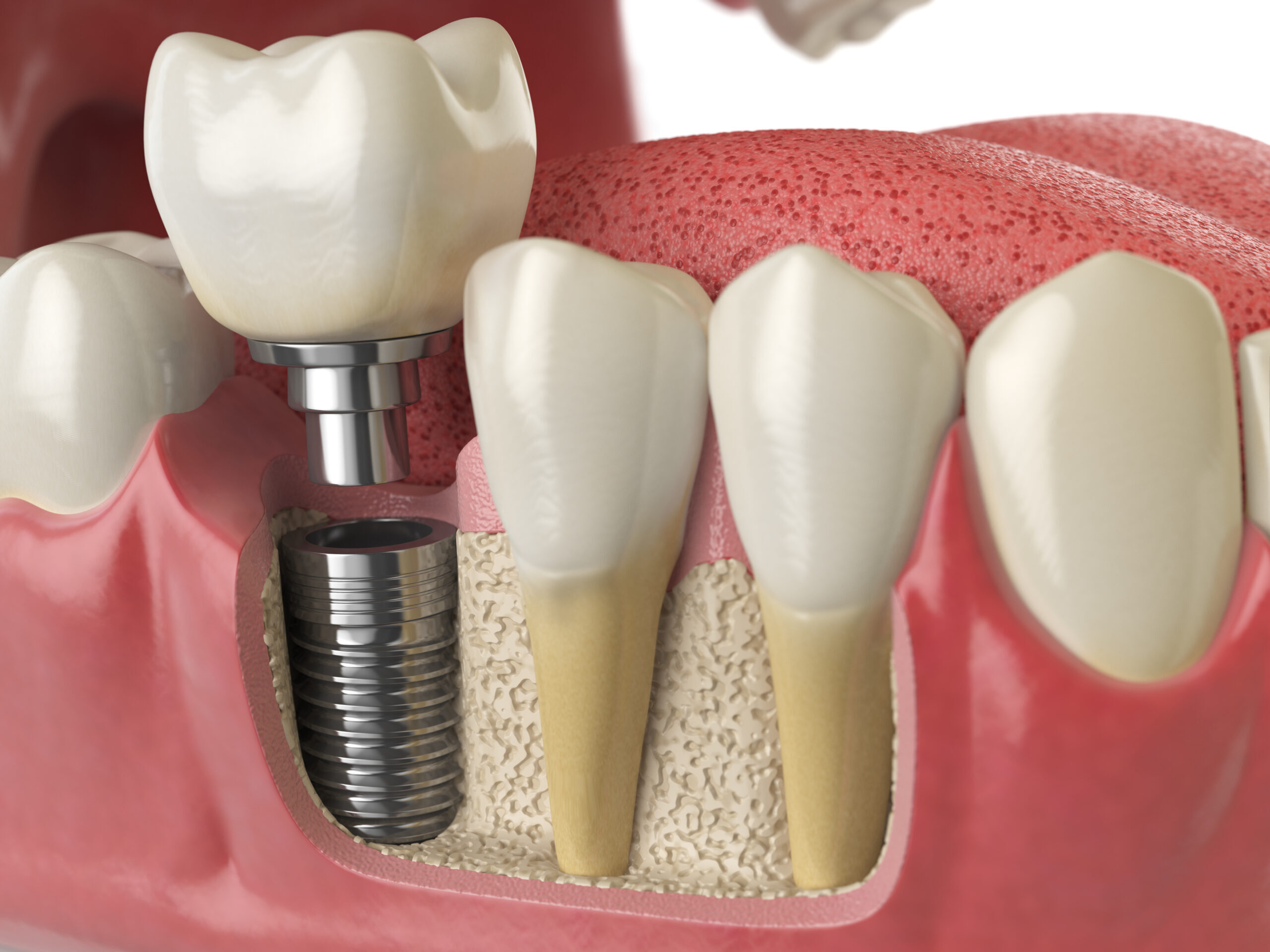
| During healing | The implant gradually integrates with the surrounding bone |
| Follow-up visits | Your dentist checks healing and treatment progress |
If discomfort is getting worse rather than better, contact your dental office for advice.
What Can Make Dental Implant Recovery More Uncomfortable?
Not every implant procedure is the same.
For example, some patients may need additional treatment before or during implant placement. Fox Family Dental provides restorative care that can include implant restorations and bone grafting when clinically appropriate.
The complexity of treatment can influence recovery. Other factors may include:
- The number of implants being placed
- Whether bone grafting is needed
- The location of the implant
- Individual healing patterns
- Following or not following post-treatment instructions
- Smoking or tobacco use
Your dentist can explain what is likely to apply to your specific situation during a consultation.
How Can You Manage Dental Implant Pain at Home?
After your procedure, your dental team may recommend specific steps to keep you comfortable.
These may include:
- Taking medications exactly as directed
- Applying a cold compress as recommended
- Eating softer foods temporarily
- Keeping the area clean according to your dentist’s instructions
- Avoiding unnecessary pressure on the implant area
- Getting adequate rest
Don’t rely on advice from social media or online forums when it comes to medications or recovery. Your dentist understands your procedure and can give you instructions based on your individual circumstances.
When Is Dental Implant Pain a Warning Sign?
Some discomfort after implant surgery is expected. However, severe or worsening pain deserves attention.
Contact your dentist if you experience:
- Pain that becomes significantly worse
- Persistent or increasing swelling
- Fever
- Pus or unusual drainage
- Heavy bleeding
- A loose implant
- Symptoms that concern you
Persistent Dental Implant Pain should not simply be ignored. Your dental team can determine whether the symptoms are part of normal healing or require further evaluation.
Are Dental Implants More Painful Than a Tooth Extraction?
This is another common question.
There isn’t one answer for everyone because the experience depends on the individual procedure and how the person heals. Both treatments involve different types of dental surgery, and modern pain-control techniques are used to keep patients comfortable.
Instead of comparing procedures based solely on anticipated pain, it’s more useful to discuss your specific concerns with your dentist. They can explain what your treatment will involve and what you can realistically expect during recovery.
What About Patients Who Are Nervous About Dental Treatment?
Dental anxiety is real, and you don’t have to feel embarrassed about it.
At Fox Family Dental, comfort-focused care is an important part of the patient experience. The practice emphasizes gentle treatment, clear communication, and helping patients understand their options before moving forward.
If you’re searching for a dentist in peoria because you’re nervous about implants, tell the dental team about your concerns before treatment begins. Knowing your fears allows your dentist to discuss appropriate comfort measures and help you feel more prepared.
Meet Dr. Alex Behnam
Dr. Alex Behnam provides patient-focused dental care at Fox Family Dental. He earned his Doctor of Dental Medicine degree from A.T. Still University’s Arizona School of Dentistry & Oral Health and also earned a Certificate in Public Health Dentistry. He was inducted into the Omicron Kappa Upsilon honor society and maintains professional involvement with the American Dental Association and Academy of General Dentistry.
Dr. Behnam is known for his calm demeanor and relationship-first approach. His philosophy centers on helping patients understand their treatment options and feel comfortable throughout their dental journey.
Why Choose Fox Family Dental for Implant Care?
At Fox Family Dental, implant treatment is approached as part of comprehensive restorative care—not simply as a procedure.
The practice focuses on personalized treatment planning, modern dental technology, patient education, and comfortable care for Peoria families.
If you’re worried about Dental Implant Pain, don’t let fear keep you from exploring your options. A consultation can help you understand whether an implant is appropriate for you, what your treatment may involve, and how your dental team can help you stay comfortable. Reach us at “9000 W. Thunderbird Rd., Suite #200, Peoria, AZ 85381” or call: +1 480-493-0285
Frequently Asked Questions
1. Is Dental Implant Pain normal after surgery?
Yes. Mild soreness, tenderness, and swelling can occur after implant placement. However, severe or worsening discomfort should be discussed with your dentist.
2. How painful are dental implants compared with other dental procedures?
The experience varies from patient to patient. The implant procedure is performed with anesthesia to control pain, while some soreness may occur during recovery.
3. How long does Dental Implant Pain usually last?
Most post-procedure discomfort should gradually improve as healing progresses. Your dentist can provide more specific expectations based on your procedure.
4. What can I eat after getting a dental implant?
Your dentist may recommend softer foods initially and advise you to avoid putting unnecessary pressure on the treatment area. Follow the individualized instructions provided after your procedure.
5. When should I call my dentist about Dental Implant Pain?
Call your dental office if pain is severe, worsening, or accompanied by significant swelling, fever, unusual drainage, heavy bleeding, or other concerning symptoms.
Trusted Dental Health Resources
For additional evidence-based information about oral health and dental care, patients can consult reputable organizations including the American Dental Association (ADA) and the National Institute of Dental and Craniofacial Research (NIDCR). The ADA also provides professional guidance on anesthesia and pain-control practices used in dentistry.
The Bottom Line
So, are dental implants painful?
For most patients, the implant placement itself is performed with anesthesia, while some soreness during recovery is expected. The important thing is understanding what is normal for your particular procedure and knowing when to contact your dental team.
If you’re considering replacing a missing tooth and have questions about Dental Implant Pain, talk with the team at Fox Family Dental. A personalized consultation can help you make a confident decision about your smile and long-term oral health.