9000 W. Thunderbird Rd. Suite #200 Peoria, AZ 85381

By Fox Family Dental | May 26, 2026
When a tooth breaks badly, gets severely decayed, or causes persistent pain, most people jump to the same conclusion: it is gone. The tooth needs to come out. That assumption is understandable. A tooth that looks that bad, hurts that much, or has been ignored for that long does not seem salvageable. But that conclusion is wrong far more often than people realize, and acting on it prematurely means losing a tooth that could have been saved.

At Fox Family Dental, Dr. Alex Behnam and Dr. Emily Bujnoski regularly see patients who arrive expecting to be told their tooth needs to be extracted, only to find out that dental crown treatment is all that is needed to restore it completely. It is one of the most consistent patterns in the practice: a patient who has been dreading the worst walks out with their tooth intact.
Where the Assumption Comes From
Part of it is how a damaged tooth looks and feels. A tooth that is cracked, badly broken, or darkened from decay looks beyond repair to anyone who is not a dentist. The pain that comes with advanced decay or a crack that has reached the nerve makes the tooth feel like a lost cause. And for people who have been putting off treatment for a while, there is also an element of guilt. They assume the delay made things worse than they already were, which is sometimes true, but not always to the degree they fear.
The other part is simply not knowing what dental crown treatment can actually do. Most people think of a crown as something placed after a root canal, which it often is, but that is far from its only use. A crown can restore a tooth that is cracked but structurally intact below the gum line. It can rebuild a tooth that has lost the majority of its visible structure to decay. It can protect a tooth that has become too weak for a filling to hold. Understanding what is included in a dental crown treatment plan makes it clear just how much can be done before extraction ever becomes the conversation.
What Dental Crown Treatment Actually Involves
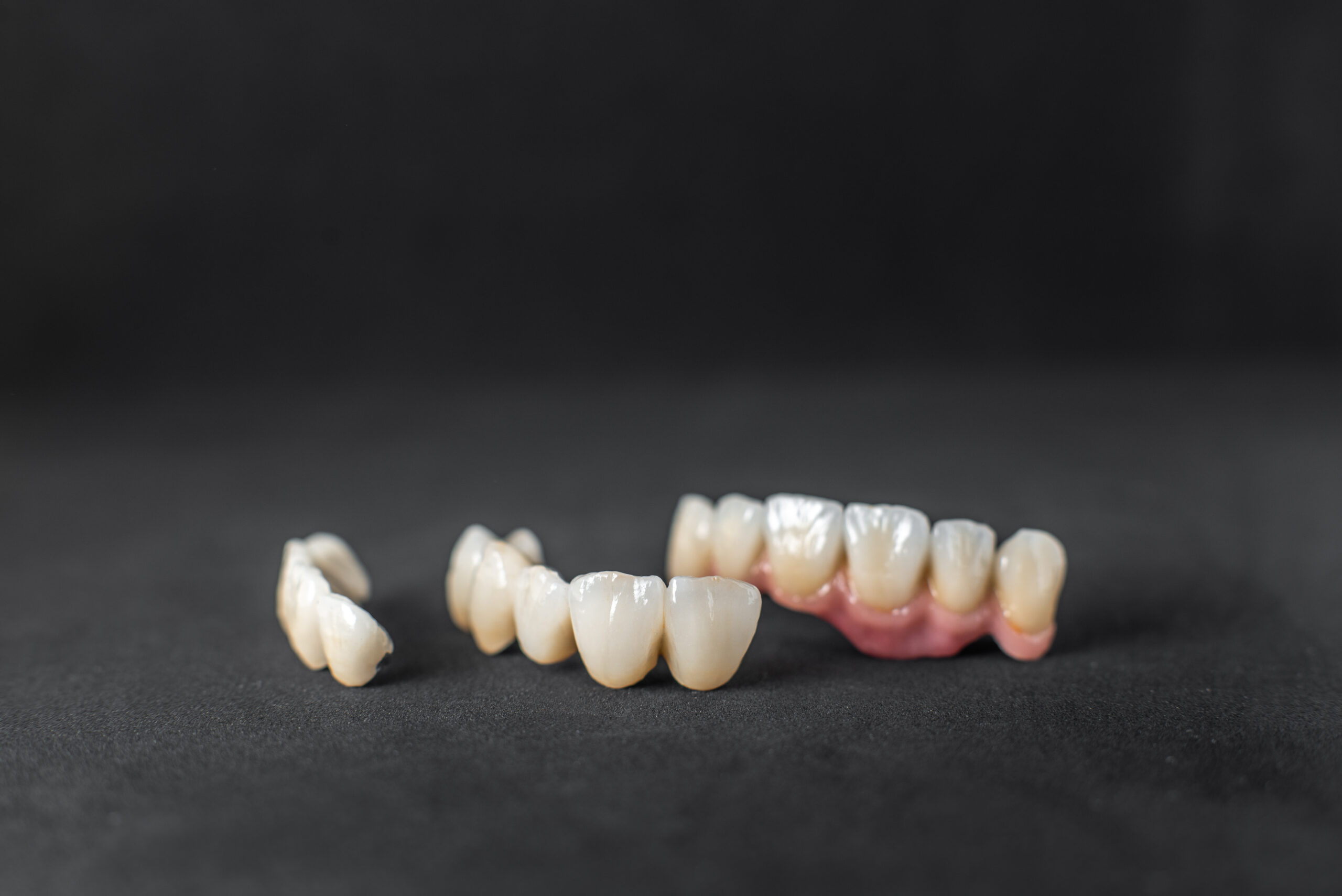
A crown is a custom-fitted cap placed over the entire visible portion of a tooth. It restores the tooth’s shape, strength, and function while protecting what remains underneath. The process typically involves two visits. The first prepares the tooth by reshaping it slightly and taking impressions. A temporary crown is placed in the meantime. At the second visit the permanent crown is bonded into place.
Modern crowns are made from materials like zirconia and porcelain that match surrounding teeth closely. Unlike older metal options that were immediately visible, today’s crowns are designed to blend in completely. That improvement in materials is also part of why dental crown treatment time has shortened considerably. In many cases same-day crown technology now allows the entire process to be completed in a single visit, eliminating the wait between preparation and final placement.
When a Crown Is the Right Call and When It Is Not
A crown is appropriate when there is enough healthy tooth structure remaining to support it. A cracked tooth where the crack has not extended below the bone level is a good candidate. A tooth that has lost significant structure to decay but still has a sound root is a good candidate. A tooth that has recently had a root canal almost always needs a crown to protect it going forward.
There are situations where extraction genuinely is the better path. If a crack runs vertically through the root, or if a dental crown infection treatment is needed first to clear active infection before placement, the sequence of care becomes a little longer but the end goal remains the same: save the tooth where possible, extract only when saving it is no longer realistic.
For anyone who has already been told elsewhere that their tooth needs to come out, it is worth getting a second opinion from a dentist in Peoria before committing to extraction. A second assessment costs very little and has saved many patients from losing a tooth that a different approach could have restored. Assumptions made from looking in a mirror or going by pain levels alone are not reliable indicators of what is structurally happening inside the tooth.
What Happens to the Jaw When a Tooth Is Extracted Instead
This is the part that most dental blogs leave out entirely, and it matters. When a tooth is extracted and not replaced, the bone underneath begins to resorb. Without the root providing stimulation, the jaw starts to lose density in that area over time. Neighboring teeth begin to shift into the gap, changing the bite. A missing tooth affects chewing mechanics and puts uneven pressure on surrounding teeth that were never meant to carry that load.
When comparing dental crown alternative treatment options against extraction, this long-term picture is worth understanding fully. Saving a natural tooth with a crown avoids all of it. The root stays in place, the bone stays stimulated, and the surrounding teeth stay where they are. The cost of preserving a tooth through crown treatment is almost always lower over time than replacing an extracted tooth with an implant or bridge.
What Patients Across Peoria Often Discover
Patients who visit a dentist for dental crowns in Peoria regularly come in having already accepted that the tooth is gone, only to leave with a treatment plan that saves it. That gap between what a patient fears and what treatment can actually deliver is one that a proper clinical assessment can quickly close. One appointment is almost always enough to know whether the tooth is restorable and what the process looks like from start to finish.
For anyone in Peoria who has been putting off dealing with a broken or painful tooth because the outcome felt inevitable, that assumption is worth testing before it results in losing a tooth that did not need to go.
Our Dental Practice Is Ready to Take a Look
If you have a tooth you have mentally written off, bring it to Fox Family Dental before making that decision final. Dr. Alex Behnam and Dr. Emily Bujnoski are proudly serving patients around the Peoria area, including those from nearby Dunlap, Glendale, and Surprise, with restorative dental care focused on saving teeth first. Reach out to schedule an assessment and find out what dental crown treatment can do for your situation.
Frequently Asked Questions
Q. How do I know if my tooth needs a crown or should just be pulled?
The only reliable way to know is a clinical assessment including X-rays. A tooth that looks or feels beyond saving is often still restorable with dental crown treatment. Extraction becomes the recommendation only when there is not enough healthy structure or bone left to support a crown.
Q. Does getting a dental crown hurt?
The procedure is done under local anesthesia. Most patients feel pressure during the process but not pain. Some mild soreness around the area for a day or two afterward is normal and temporary.
Q. How long does dental crown treatment take?
Most cases involve two appointments spaced one to two weeks apart. Dental crown treatment time has shortened significantly with modern materials, and same-day crowns are now available in many practices.
Q. Can a crown be placed if the tooth is infected?
Active infection needs to be addressed before a crown is placed, usually through root canal treatment. Once the dental crown infection treatment is complete and the tooth is stable, the crown can be placed to restore and protect it long term.