9000 W. Thunderbird Rd. Suite #200 Peoria, AZ 85381

By Fox Family Dental | May 11, 2026
If you have been reaching for ibuprofen every few hours and your tooth still will not stop hurting, you are not imagining things. The pain is real, and the medication is not failing you. It is just that painkillers treat the symptom, not the problem underneath. When a tooth has reached a certain point of infection or nerve damage, no over-the-counter medication can get ahead of it. That is not what those medications were designed for.
At Fox Family Dental, Dr. Alex Behnam and Dr. Emily Bujnoski see this situation regularly. A patient comes in after days or weeks of managing tooth pain with whatever is in the medicine cabinet, hoping it will settle down on its own. It rarely does. And by the time they sit in the chair, the problem has almost always progressed further than it needed to.
Why Painkillers Stop Working for Tooth Pain
Ibuprofen and acetaminophen work well for mild to moderate pain. They reduce inflammation and block pain signals to a degree. But when a tooth has a deep infection, a dying nerve, or an abscess forming at the root, the source of pain is beyond what any pill can reach.
The infection generates pressure inside a sealed space. That pressure builds. No amount of anti-inflammatory medication can drain it or stop it from spreading. This is the point where people often describe the pain as coming back stronger after the medication wears off, or the painkiller working for an hour or two before the throbbing returns. That cycle is your body telling you the problem needs treatment, not management.
Leaving it alone also carries real risk. A dental infection does not stay contained. It can spread to the surrounding bone, the jaw, and in serious cases to the neck and beyond. What starts as tooth pain that painkillers cannot fix can become a situation that requires far more than a dental appointment.
What Is Root Canal Treatment and Why Does It Actually Stop the Pain
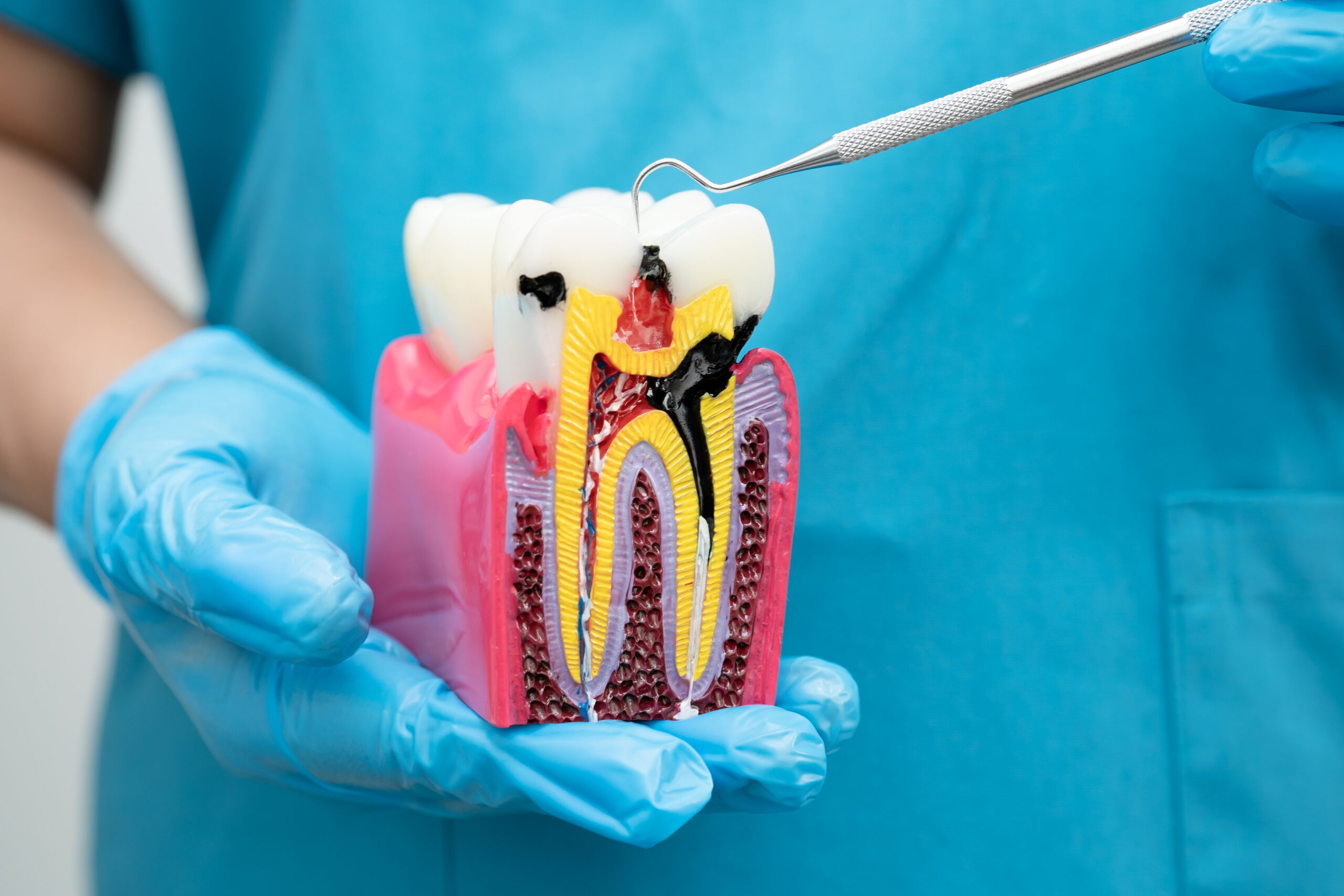
Root canal treatment is the procedure that removes the infected or damaged pulp from inside the tooth. The pulp is the soft tissue at the center of the tooth that contains nerves and blood vessels. When that tissue becomes infected or dies, it becomes the source of the pain that nothing else can resolve.
Once the pulp is removed, the inside of the tooth is cleaned, shaped, and sealed. The tooth itself stays in place. The pain stops because the source of the pain has been eliminated, not masked.
What is root canal treatment in practical terms? It is a procedure that most patients say was far less uncomfortable than the days of tooth pain they endured before coming in. Modern anesthesia means the procedure itself is generally no more uncomfortable than getting a filling. Root canal treatment steps involve numbing the area completely before anything begins, so most patients feel pressure but not pain during the process.
The Root Canal Treatment Side Effects People Actually Experience
Some tenderness in the area for a day or two after the procedure is normal. The tissue around the tooth has been through an infection and a procedure, and it needs a little time to settle. Over-the-counter pain relief is usually sufficient during this window, and it actually works at this stage because the source of the infection has been removed.
Root canal treatment side effects beyond mild soreness are uncommon. Most patients return to their normal routine the following day. The recovery from a root canal is typically far easier than the days of pain people endure before deciding to come in.
What Happens If You Keep Waiting
This is the part that matters most. Every day a tooth infection is left untreated, the situation becomes more complicated. A simple infection that could have been resolved with root canal treatment becomes a more involved case. In some situations, the tooth can no longer be saved and extraction becomes the only option.
For anyone in Peoria who has been searching for root canal treatment near me and clicking away without booking anything, the delay rarely works in your favor. The tooth does not heal itself. The infection does not clear without treatment. And the pain that is breaking through your painkillers is a clear signal that the problem has already progressed past the point where waiting makes sense.
A dentist, especially one familiar with root canal therapy in Peoria, can assess the situation quickly and tell you exactly what you are dealing with. In many cases, treatment can begin the same day.
How to Know If You Likely Need a Root Canal
Not every toothache means you need root canal treatment, but there are specific signs that point in that direction. Pain that does not respond to painkillers is one. Others include sensitivity to heat that lingers for more than a few seconds after the source is removed, spontaneous pain that wakes you up at night, visible swelling in the gum near the tooth, or a bad taste in your mouth that persists even with good hygiene.
If you have one or more of these signs, it is worth getting it looked at by a dentist in Peoria sooner rather than later. Catching it at the right stage keeps your options open.
Ready to Stop Managing the Pain and Actually Fix It
If painkillers have stopped keeping up with your tooth pain, Fox Family Dental is here to help. Dr. Alex Behnam and Dr. Emily Bujnoski are proudly serving patients around the Peoria area, including families from nearby Dunlap, Glendale, and Germantown Hills, with comprehensive dental care that includes root canal treatment. Reach out to schedule an assessment and find out exactly what your tooth needs.
Frequently Asked Questions
Q. Why does my tooth pain keep coming back even after I take ibuprofen?
Ibuprofen manages inflammation and mild pain but cannot treat an infection inside the tooth. If the pain keeps returning, the source is likely nerve damage or infection that requires professional treatment such as root canal treatment to resolve.
Q. Is a root canal more painful than just leaving the tooth alone?
No. Most patients report that the procedure itself is no more uncomfortable than a filling. The days of tooth pain before treatment are almost always worse than the procedure. Once the infected pulp is removed, the pain stops.
Q. How long does a root canal procedure take?
Most root canal procedures take between 60 and 90 minutes. Complex cases involving multiple canals may require a follow-up visit. Your dentist will give you a clear picture of what to expect based on your specific tooth.
Q. What happens if I keep delaying root canal treatment?
The infection continues to spread, potentially affecting the surrounding bone and nearby teeth. In advanced cases the tooth may no longer be salvageable and extraction becomes necessary, which creates a more involved and costly situation than treating it early.