9000 W. Thunderbird Rd. Suite #200 Peoria, AZ 85381


By Fox Family Dental | April 25, 2026
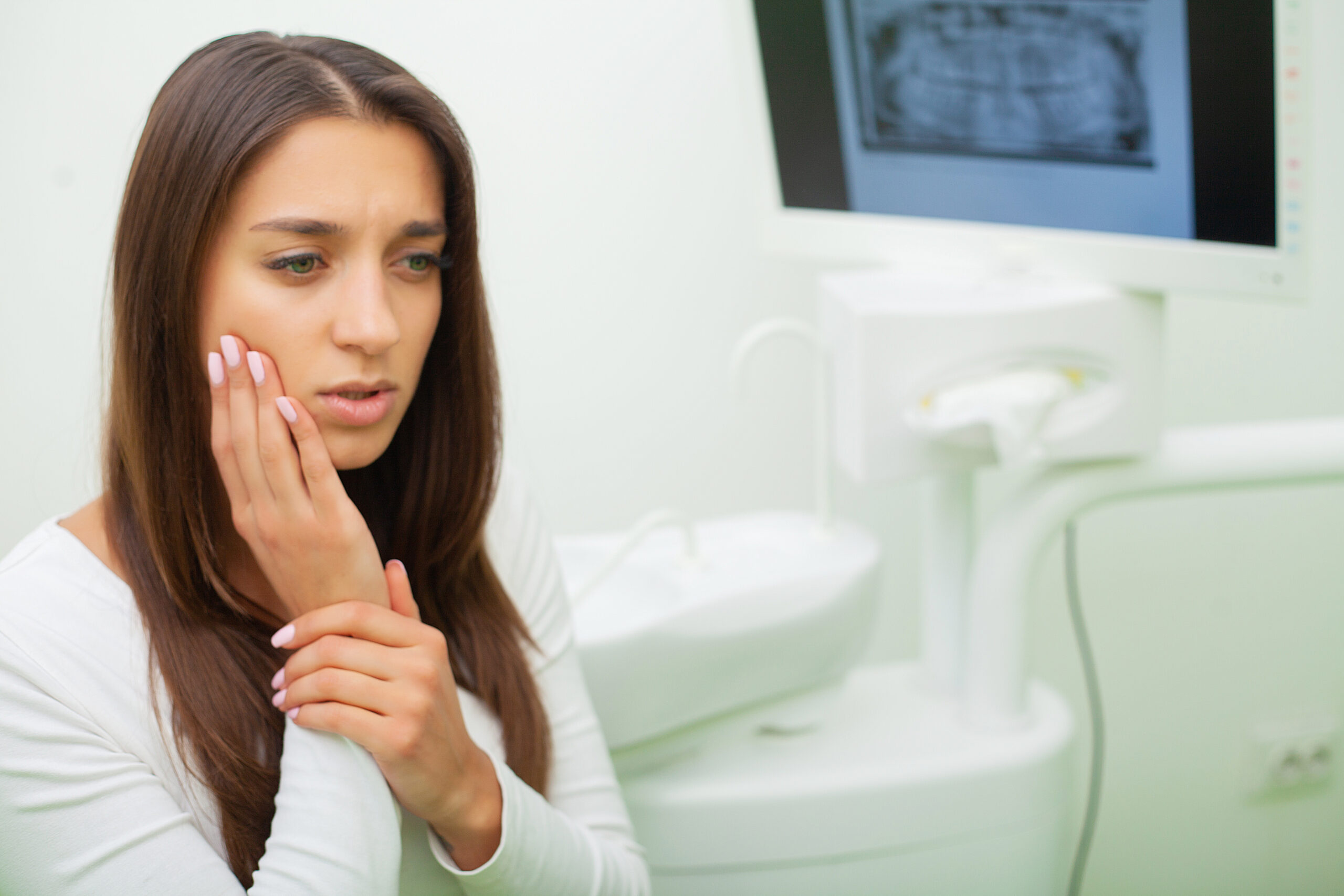
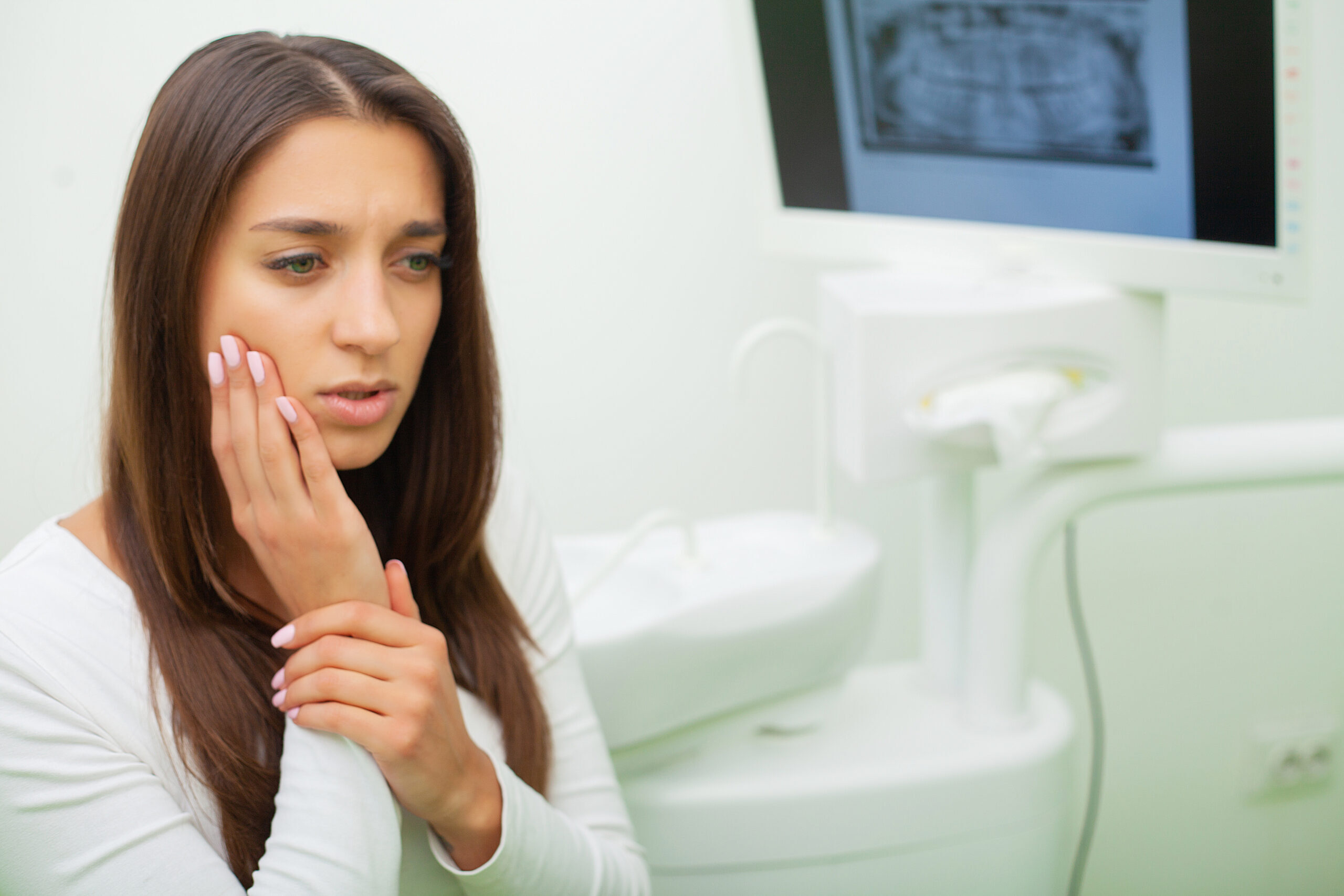
It happens when you least expect it, a sharp pain during dinner, a sudden trip on the sidewalk, or a dull ache that transforms into a throbbing nightmare in the middle of the night. Dental emergencies are uniquely stressful because they often involve intense pain and the fear of losing a tooth. When your heart is racing, and you are staring at the bathroom mirror, wondering if you need immediate help, the world can feel very small and overwhelming.
The first thing you need to do is take a deep breath. While dental accidents are frightening, almost every situation has a solution if handled with a level head. The key is knowing how to manage the minutes between the accident and getting into the clinical chair. Whether it is a Saturday afternoon or a Tuesday at midnight, having a plan of action can be the difference between saving your smile and facing a permanent gap.

At Fox Family Dental, we understand how scary these moments are. Dr. Alex Behnam and Dr. Emily Bujnoski are ready to provide the gentle, fast-acting care you need to feel like yourself again. Contact our Peoria office to schedule your emergency appointment after an oral mishap.
Is It a True Emergency? Or Can it Wait?
Not every dental issue requires an immediate trip to the clinic. Distinguishing between an urgent need and a “can wait until tomorrow” situation can save you a lot of unnecessary anxiety.
Situations That Require Immediate Attention
- A Knocked-Out Tooth: This is perhaps the most time-sensitive emergency.
- Uncontrollable Bleeding: If a site in your mouth won’t stop bleeding after applying pressure.
- Severe Pain with Swelling: Large lumps on the gums or facial swelling that affects your eye or neck.
- A Fractured Tooth with Exposed Roots: If you see red or pink tissue inside a broken tooth, the nerve is likely exposed.
Situations That Can Usually Wait 24 Hours
- A Lost Filling or Crown: While uncomfortable, this is rarely life-threatening.
- Dull Aching: Persistent but manageable pain usually indicates a cavity that needs attention soon, but not necessarily at midnight.
- Small Chips: If the tooth isn’t sharp and there is no pain, it is a cosmetic issue.
Common Dental Emergencies and Immediate First Aid
When things go wrong, the steps you take at home can dictate the final outcome of your treatment. Here is how to handle the most common crises:
The Knocked-Out Tooth
If a permanent tooth is completely displaced, every second counts. According to the American Dental Association, acting within 30 to 60 minutes after a tooth is knocked out gives the best chance of saving it.
What to do: Pick the tooth up by the crown (the chewing surface), never the root. Gently rinse it with water if it’s dirty, but do not scrub it or remove any attached tissue. If possible, try to place it back into the socket. In case it becomes difficult to put back in, keep it moist by placing it in a small container of milk or a tooth preservation kit. Fortunately, In Peoria our office has same-day emergency dental services available, so do not wait to call.
Severe Toothache
A toothache that prevents you from sleeping or working is often a sign of an infection deep within the pulp.
What to do: Rinse your mouth thoroughly with warm salt water to clear away debris and soothe the tissue. Use dental floss to ensure no food is trapped between the teeth, but avoid placing aspirin directly on the gums, as this can cause chemical burns.
Cracked or Broken Teeth
A fracture can range from a minor craze line to a deep split that reaches the nerve.
What to do: Rinse with warm water and apply a cold compress to the outside of your cheek to keep swelling down. If a break has created a sharp edge that cuts your tongue, cover it with sugarless chewing gum or dental wax. To prevent the crack from worsening, it’s important for locals to get a prompt dental assessment from a trusted dentist.
Dental Abscess
An abscess is an infection at the root of a tooth or between the gum and the tooth. It often looks like a small, pimple-like bump on the gums.
What to do: Do not attempt to pop the bump. This is a serious infection that can spread to other parts of the body. Rinse with mild salt water several times a day to draw the pus toward the surface and reduce pressure.
When to Choose the ER Over the Dentist
While dental practitioners can handle most tooth-related issues, some symptoms indicate a systemic problem that requires a hospital emergency room. You should head to the ER immediately if you experience:
- Significant facial swelling that extends toward the eye or down the neck.
- A high fever or chills accompany a toothache.
- Difficulty breathing or swallowing.
- Severe jaw trauma or a suspected broken jaw.
- Uncontrolled bleeding that does not stop after fifteen minutes of firm pressure.
In these cases, the priority is your airway and overall physical stability. Once the medical doctors have cleared you, we can then focus on repairing the dental damage.
You are free to check our Google Reviews if you are still having doubts about us.
Fox Dental staff was very professional and friendly. Dr. B was excellent! Trisha was outstanding and showed so much compassion and took great care of me. They made me feel as if i was the only patient they had today! They were very accomodating and genuinely cared. I had an emergency and they got me in immediately and I am so estatic I found them. I am Very satisfied with their service! Im so happy that I cant wait until I have another problem w my teeth just so i can get their red carpet treatment again! Ha ha!
– D. Seemayer
Simple Ways to Stay Prepared
You cannot always prevent dental emergencies, but you can be ready.
Helpful Steps
- Wear a mouthguard during sports
- Avoid chewing on hard objects
- Keeping up with routine checkups matters more than most people realise. In Peoria the families who already have a trusted dentist on call are far better prepared when a dental crisis hits unexpectedly.
- Do not ignore early signs of discomfort
A small dental kit at home with gauze, salt, and basic supplies can also help you respond quickly.
Get the Care You Need Without Delay
Dental emergencies can feel difficult to manage, but knowing what to do gives you control in a stressful moment. Acting quickly, even with simple steps at home, can protect your tooth, ease discomfort, and prevent the problem from getting worse.
If you are in pain or dealing with a sudden dental mishap, do not try to push through it. Our trusted dentists, Dr. Alex Behnam and Dr. Emily Bujnoski, at Fox Family Dental in Peoria, are here to help you right away. Call us to get the care you need as soon as possible. Book your appointment right away, in case of a dental mishap.
FAQs
How quickly should I see a dentist if I have a severe toothache?
Ideally, contact your dentist the same day. Severe pain often indicates infection or advanced decay that requires prompt professional attention. Don’t wait for the pain to pass on its own.
What should I do if my child loses a baby tooth in an accident?
Baby teeth don’t need to be replanted, but you should still contact your dentist to check for other injuries. Store the tooth in milk just in case, and monitor the area for swelling or infection.
Can I use hydrogen peroxide to rinse my mouth during a dental emergency?
A mild saltwater rinse is gentler and more effective than hydrogen peroxide. Mix half a teaspoon of salt in eight ounces of warm water and rinse several times daily.
Is it safe to use over-the-counter pain medication for a dental emergency?
Yes, ibuprofen or acetaminophen can help manage pain while you wait for your dental appointment. Always follow the package directions and don’t exceed recommended doses.
What’s the difference between a chip and a crack in a tooth?
A chip is a small piece of tooth that breaks off, usually from the edge. A crack runs through the tooth and can be more serious if it reaches the pulp. Both need professional attention, but cracks are typically more urgent.
How do I prevent dental emergencies?
Practice good oral hygiene, wear a mouthguard during sports, avoid chewing on hard objects, and visit your regular dentist twice yearly. These preventive steps significantly reduce the chances of emergencies.